Address
China-Base Plaza, No.666 Tiantong South Rd, Yinzhou Dist., Ningbo,Zhejiang, China, 315199
Work Hours
Monday to Friday: 9AM - 6PM
Weekend: 10AM - 5PM

Address
China-Base Plaza, No.666 Tiantong South Rd, Yinzhou Dist., Ningbo,Zhejiang, China, 315199
Work Hours
Monday to Friday: 9AM - 6PM
Weekend: 10AM - 5PM
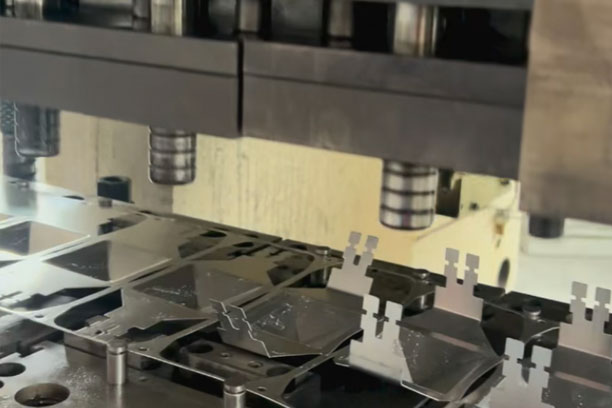
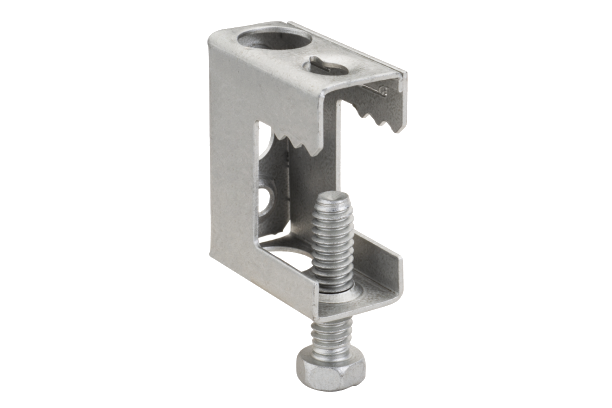
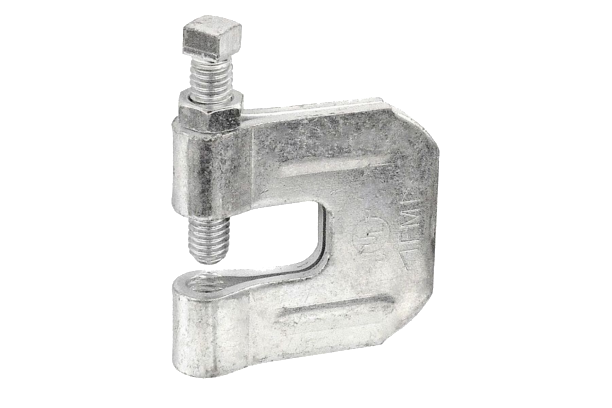
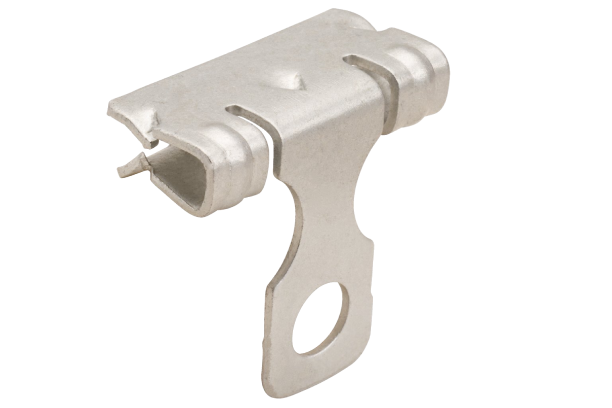
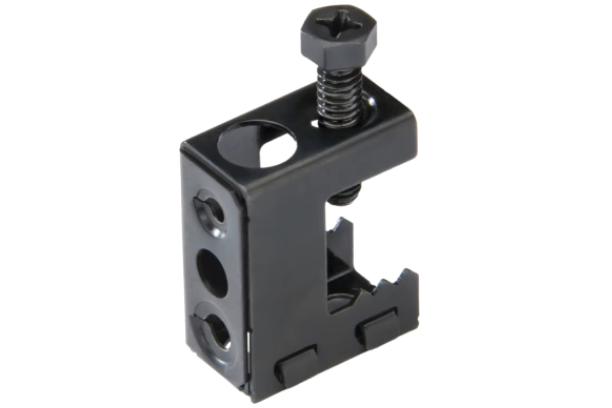
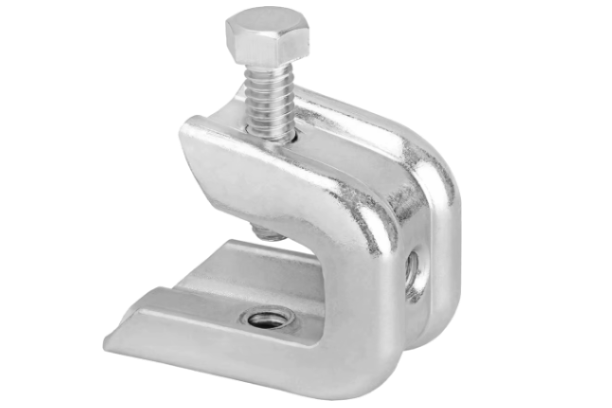
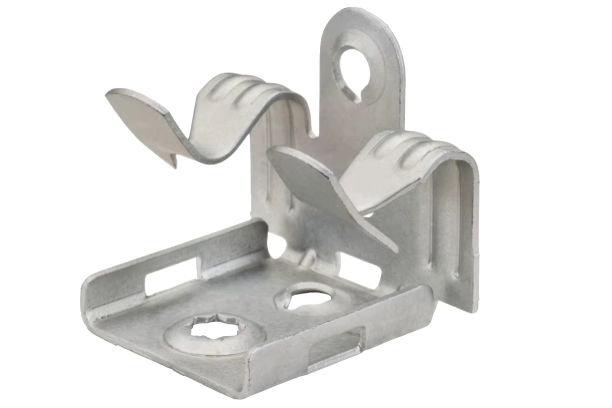

It refers to the process whereby the flat metal is changed into a different shape using force on it.
It is achieved in various ways depending on the design specifications of the part being pressed.
Using several operations, the sheet metal can be changed from a shape that is relatively simple to one that is very complex.

The blanking technique is initiated when the sheet metal is fed to the press where it is cut into the required shapes.
It forms a piece which is referred to as a blank which may be the desired part or a fully finished blank or continue to the next process of forming.
It is a form that is used to form vessels or deep depressions. It uses tension in to draw the material carefully to form a cavity in a way that changes its shape.
Technicians tend to avoid altering the shape in this technique even though the materials might stretch during the drawing process.
Some of the equipment which is made using drawing technique include:
It is the opposite of blanking as use the materials saved in the blanking technique are used around the exterior of the area which is punched.
It uses a die to cut sheet metal into a specific form.
This technique entails the removal of a scrap piece of materials l as the punch enters the die in a way that leaves a hole.
This technique entails the creation of a design that is either recessed or raised by pressing the blank onto the die possessing the required shape.
Alternatively, the material blank can be passed through a roller die.
Coining refers to a bending technique whereby the sheet metal is tamped while placed between the press or punch and a die.
It results in penetration of the punch tip thus forming bends that are repeatable and accurate.
The deep penetration also eliminates internal stresses in the sheet metal and ensures there are no spring-back effects.
It entails the introduction of a flare onto sheet metal by use of presses, specialized machines for flanging, or dies.
