Address
China-Base Plaza, No.666 Tiantong South Rd, Yinzhou Dist., Ningbo,Zhejiang, China, 315199
Work Hours
Monday to Friday: 9AM - 6PM
Weekend: 10AM - 5PM

Address
China-Base Plaza, No.666 Tiantong South Rd, Yinzhou Dist., Ningbo,Zhejiang, China, 315199
Work Hours
Monday to Friday: 9AM - 6PM
Weekend: 10AM - 5PM
At ClimateCarer, we understand that the surface treatment of metal products is essential for enhancing both their durability and aesthetic appeal. Our comprehensive metal surface treatment services are designed to provide superior protection against corrosion, wear, and environmental factors, ensuring your products perform at their best over time.
Related capabilities: Custom Capability · Sheet metal stamping · Laser cutting
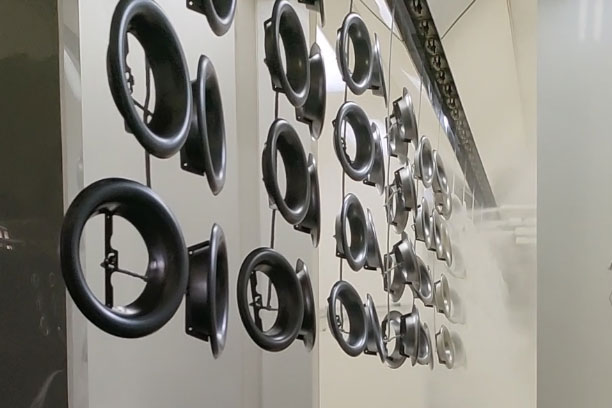
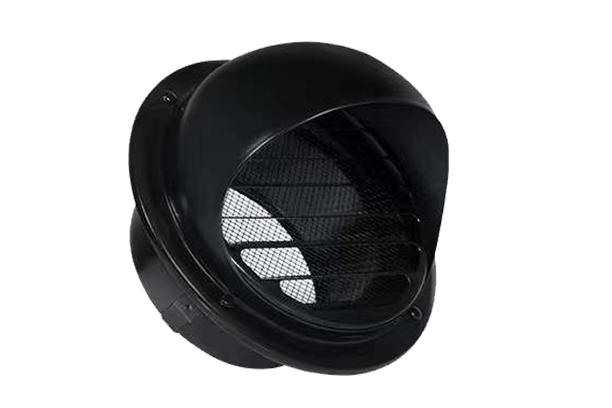
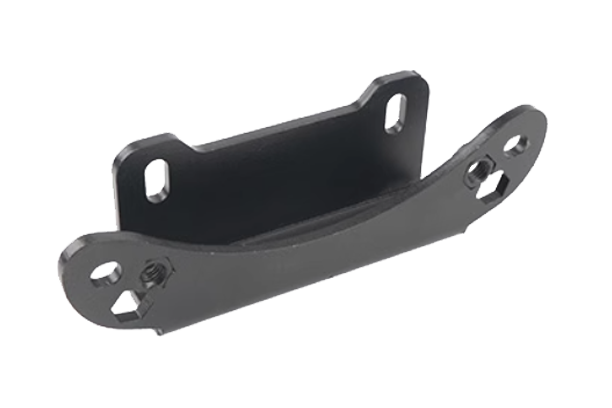
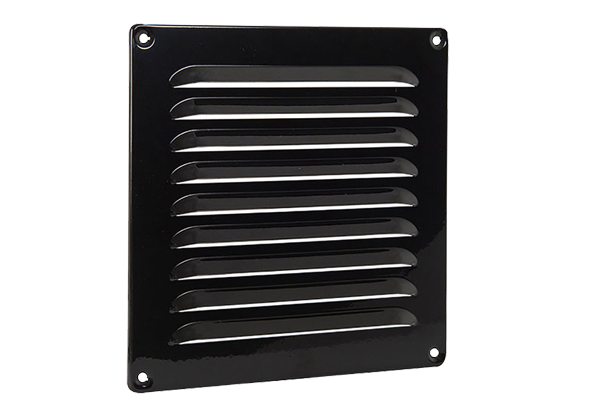
Powder coating provides a durable and smooth finish that protects metal surfaces from scratches, fading, and corrosion. This process is ideal for enhancing the aesthetic qualities of products while maintaining high resistance to environmental factors.
Electroplating involves coating metal surfaces with a thin layer of another metal, such as zinc, nickel, or chrome, to increase resistance to corrosion, improve conductivity, or add a decorative finish. This treatment is ideal for enhancing product durability and performance.
Anodizing is an electrochemical process that increases the thickness of the natural oxide layer on the surface of metal products, offering superior protection against corrosion and wear. It also enhances the metal's appearance with a matte or glossy finish, available in various colors.
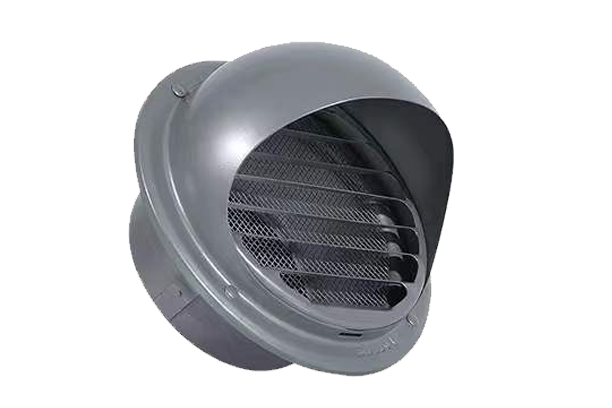
Passivation is a chemical process used to improve the corrosion resistance of stainless steel and other metals. This treatment removes free iron from the surface, preventing rust and ensuring long-term durability.

Powder coating is a highly effective surface treatment method used to apply a protective and decorative finish to metal parts. This process offers superior durability, excellent resistance to corrosion, and an attractive, uniform finish. Here’s an overview of the powder coating process:
Powder coating is a dry finishing process where a powdered paint is electrostatically applied to a metal surface and then cured through heat. The powder is typically composed of a blend of resin, pigment, and additives, and it is applied using a spray gun that creates an electrostatic charge. The charged powder particles adhere to the grounded metal surface, forming a smooth and even coating. After application, the product is heated in an oven, where the powder melts and forms a hard, durable finish.
Proper surface preparation is critical for achieving strong adhesion between the metal substrate and the powder coating. If the surface is not adequately prepared, the coating can peel or chip over time.
Cleaning: The metal is cleaned to remove any grease, dirt, or oils that may interfere with the bonding process. This is typically done using a chemical cleaning process or solvent-based cleaners.
Abrasive Blasting: For parts that have surface rust or contaminants, abrasive blasting (sandblasting) is often used. This process removes old coatings, rust, and dirt, creating a rough surface that allows the powder to adhere better.
Phosphating: A common technique for improving adhesion and corrosion resistance. Phosphating creates a thin layer of phosphate crystals on the metal surface, enhancing the bond between the substrate and the powder coating.
Rinsing and Drying: After cleaning and blasting, the metal is rinsed to remove any remaining chemicals and then dried completely to prevent moisture from affecting the coating.
Once the surface is prepared, the powder coating is applied using an electrostatic spray process.
Electrostatic Spraying: The metal part is grounded (i.e., electrically connected to the earth) while the powder coating particles are electrostatically charged. This causes the charged powder particles to adhere to the grounded metal part as they are sprayed from a special gun.
Even Coating: The spray gun is used to apply an even, uniform layer of powder over the metal surface. The thickness of the coating can be controlled, typically ranging from 50 to 100 microns, depending on the application.
After the powder is applied, the next crucial step is curing the coating to bond it permanently to the metal.
Curing Oven: The coated part is placed in a curing oven, where it is heated to a specific temperature, typically between 160-200°C (320-400°F), depending on the powder type used. The heat causes the powder particles to melt and flow together, forming a continuous film.
Curing Time: The part remains in the oven for a specified amount of time, usually between 10 to 20 minutes, depending on the coating’s thickness and the curing oven’s temperature. This process allows the powder to chemically bond with the substrate and solidify into a tough, durable finish.
Cooling: After curing, the part is removed from the oven and allowed to cool. The coating hardens as it cools, creating a smooth and resilient surface that is resistant to scratches, corrosion, and fading.
Once the powder coating has cured and cooled, the finished product undergoes a thorough inspection to ensure the quality and uniformity of the finish.
Visual Inspection: Technicians inspect the coating for any imperfections, such as cracks, bubbles, or uneven areas.
Adhesion Testing: The adhesion of the powder coating to the metal is tested using specific techniques, such as crosshatch tape tests, to ensure that it won’t peel or chip under normal use.
Thickness Measurement: The thickness of the coating is measured to ensure it meets the required specifications. This is often done using a gauge that measures the coating’s depth at various points on the part.
After successful inspection and quality checks, the powder-coated parts are packaged for shipment.
Protection: To prevent damage during transport, parts are carefully wrapped in protective materials such as bubble wrap, foam, or custom packaging.
Shipping: The finished products are then shipped to customers or to the next step in the production process, depending on the requirements.
Powder coating offers a range of benefits that make it an excellent choice for a variety of applications:
Durability and Longevity: Powder-coated surfaces are highly resistant to scratches, chipping, fading, and corrosion, making them ideal for products exposed to harsh environments.
Environmental Benefits: Powder coating is an environmentally friendly option as it produces no volatile organic compounds (VOCs) and has minimal waste.
Aesthetic Versatility: With a wide range of colors, textures, and finishes, powder coating can provide a uniform, smooth, and attractive finish, ideal for both decorative and functional applications.
Cost-Effective: Powder coating is often more cost-effective than liquid coatings due to its efficient application process and the fact that overspray can be recycled.
Powder coating is a versatile and efficient surface treatment that provides excellent protection, improved durability, and an attractive finish. Whether you’re looking to protect metal components from the elements or enhance the appearance of your products, powder coating offers a reliable, cost-effective solution. Let us know if you need powder coating service.
Electroplating is a critical surface treatment process used to deposit a layer of metal or alloy onto a substrate. This technique enhances the material’s properties, such as corrosion resistance, wear resistance, and aesthetic appeal. Here’s an overview of the electroplating process:
Electroplating relies on electrolytic action, where a metal or alloy is deposited onto the surface of a substrate. In this process, charged ions from the electroplating solution migrate towards the substrate surface under the influence of an electric field, forming a uniform and dense coating.
The electroplating process is typically divided into three key stages: pre-treatment, electroplating treatment, and post-treatment.
Pre-treatment: This stage involves cleaning the substrate to remove oils, rust, and other impurities. Proper surface cleaning ensures strong adhesion between the electroplated layer and the substrate.
Electroplating Treatment: This is the core step where the metal or alloy is deposited onto the substrate surface through an electrochemical reaction. The metal ions are reduced and form a solid metallic layer, providing the desired coating characteristics.
Post-treatment: After electroplating, the layer may undergo further treatments such as heat treatment or chemical treatment. These processes help enhance the coating’s performance, such as increasing hardness, improving adhesion, or further enhancing corrosion resistance.
Electroplating is widely used across multiple industries, including aerospace, automotive, electronics, and hardware. Different electroplating techniques can give substrates various properties, such as increased wear resistance, improved electrical conductivity, and better appearance.
Aerospace: Electroplating is used to protect and decorate parts exposed to extreme conditions.
Automotive: Electroplating is applied to enhance the durability and aesthetic appearance of automotive components.
Electronics: Electroplated layers are essential in manufacturing high-precision and reliable electronic components.
Hardware: Metal hardware parts undergo electroplating to improve corrosion resistance and extend their lifespan.
Electroplating is a versatile and effective surface treatment technique that enhances the material’s properties and provides additional functionality, including:
Improved Corrosion Resistance: Electroplated layers act as a protective shield against environmental factors, significantly extending the product’s lifespan.
Enhanced Durability and Wear Resistance: Electroplating adds strength and resilience to the surface, making it ideal for high-stress applications.
Aesthetic Enhancement: Electroplating gives products a polished, shiny, and appealing finish, enhancing their overall look.
If you need, please let us know and we will provide the electroplating service which ensures each product is treated with precision and care, achieving the highest standards of quality and performance.