Address
China-Base Plaza, No.666 Tiantong South Rd, Yinzhou Dist., Ningbo,Zhejiang, China, 315199
Work Hours
Monday to Friday: 9AM - 6PM
Weekend: 10AM - 5PM

Address
China-Base Plaza, No.666 Tiantong South Rd, Yinzhou Dist., Ningbo,Zhejiang, China, 315199
Work Hours
Monday to Friday: 9AM - 6PM
Weekend: 10AM - 5PM
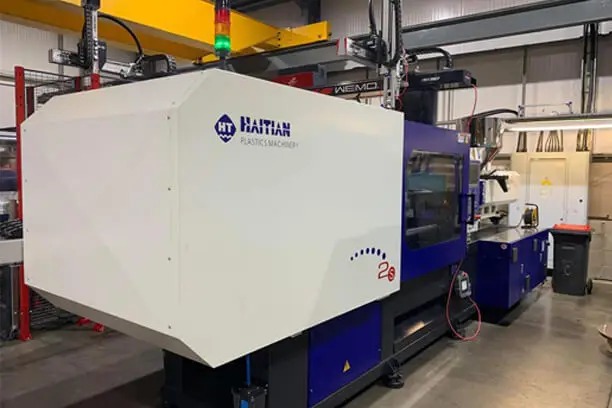
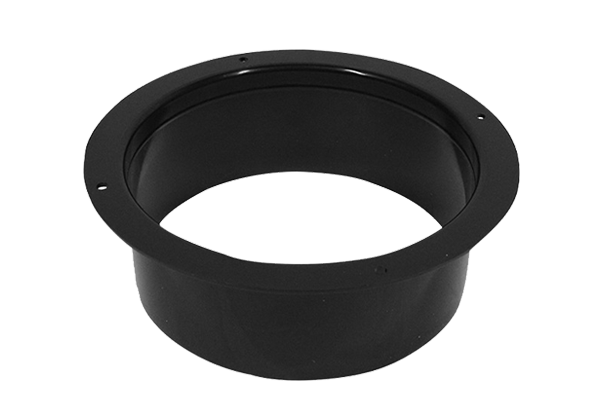
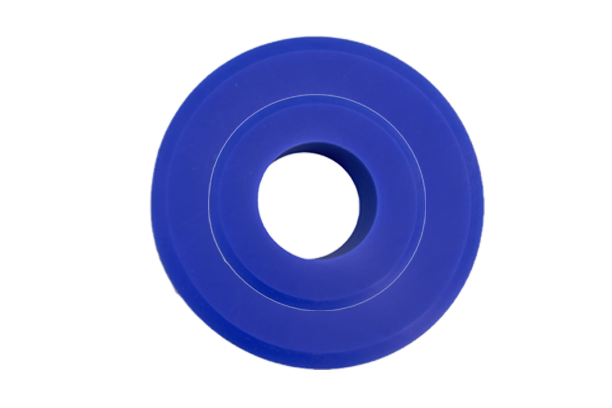
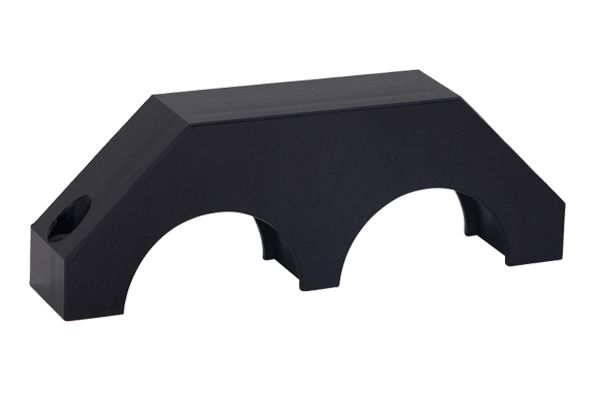


The injection molding process cycle is quite short, usually lasting between six seconds and two minutes. The process consists of the following stages:
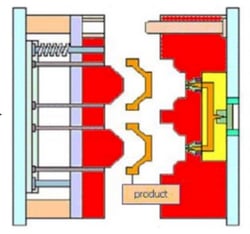
Clamping: Prior to the injection of the heated plastic material into the mold, the two halves of the mold must first be securely closed by the clamping unit. The tremendous force of the clamping unit pushes the mold halves together and keeps the mold securely closed while the material is injected. The time required to close and clamp the mold is dependent upon the machine – larger machines with larger openings require more time.
Injection: Raw plastic material, usually in the form of tiny pellets, is fed into the injection molding machine and conveyed or augered towards the mold by the injection unit. The plastic material heats up by temperature and compression as the screw conveys the plastic pellets through heated zones of the machine barrel. The amount of melted plastic that is conveyed to the front of the screw is an exact portion that will become the final part after injection. The amount of material that is injected is referred to as the shot, and once fully clamped, the machine injects the material into the mold. Injection time can be estimated by the shot volume, injection pressure, and part geometry.
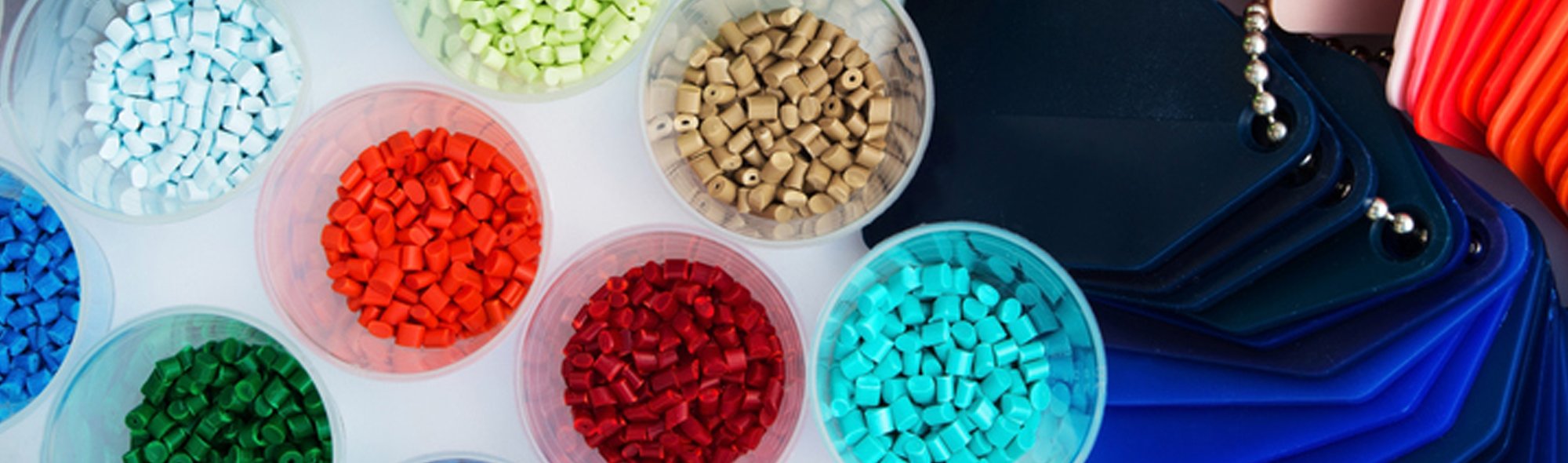
Cooling: The molten plastic inside the mold cools as soon as it makes contact with the interior mold surfaces. The cooling process solidifies the shape and rigidity of the newly molded plastic part. It’s important to note that part shrinkage may occur during the cooling process.
Want to learn more about material shrink rate calculation?
The mold can not be opened until the required cooling time has elapsed. The cooling time requirements for every plastic molded part depend on the thermodynamic properties of the plastic, wall thickness of the part, and the dimensional requirements for the finished part.
Ejection: Once the part has cooled inside the mold, it may be ejected from the mold via the ejection system. Mechanical features of an injection molding machine push the part out of the mold using the necessary force for ejection. During this process, the machine has prepared a new shot of plastic, and once the part is fully ejected, the mold is ready for the next part.
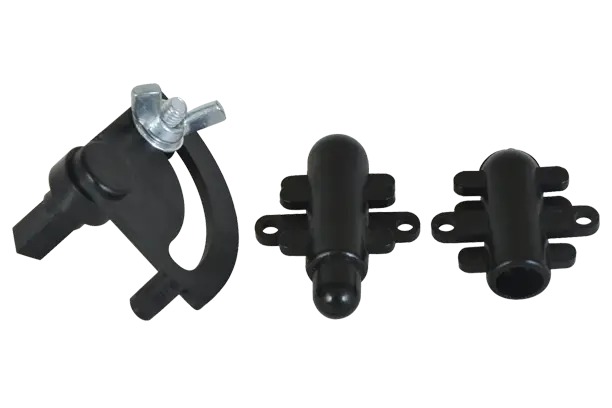
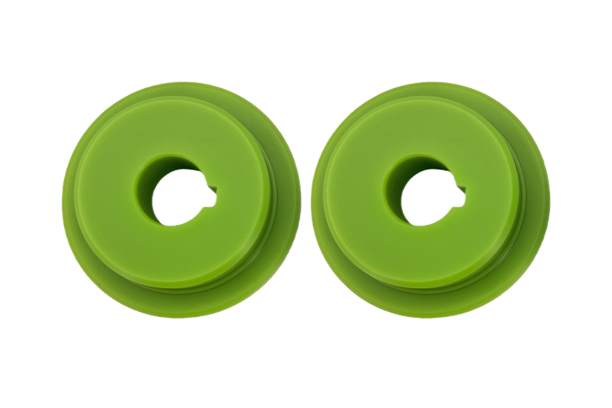
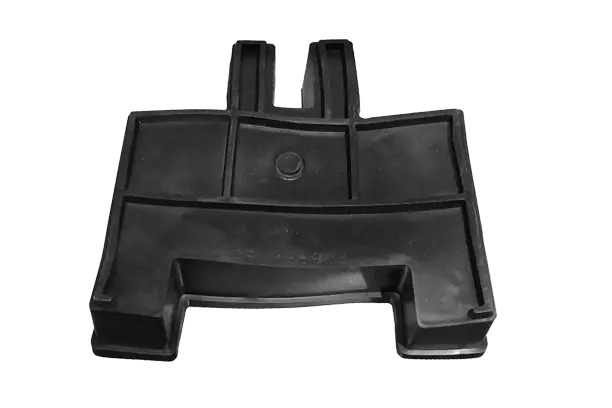
For OEMs in industries of all types, plastic parts are an essential and economical option in product design and production. In most circumstances, it makes sense to find the lowest cost, lowest weight, and most durable material to produce the product needed. Plastic injection molding is an incredibly versatile manufacturing process that plays a critical role in developing products from medical devices to automotive components to appliances and more. In fact, plastics can reduce the weight of parts by 50%, produce less scrap, and be formed into more complex shapes and geometries. Let’s review some of the top applications for injection molding and the valuable characteristics of plastic parts for each.

Automotive: Many plastic parts in automobiles require a range of intricate design features to function correctly. Typical injected molded components used in automobiles include bumpers, dashboards, and smaller parts, such as cup holders, mirror housings, and many more. Common characteristics of plastic parts for the automotive industry include:
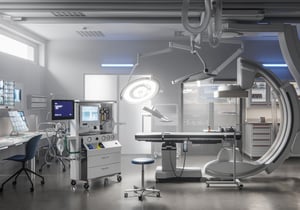
Medical: The use of plastics has been widely used for medical device manufacturing. Offering superior quality and precision, custom plastic parts are used in a variety of medical components and offer exceptional mechanical properties. Common characteristics of plastic parts for the medical industry include:
Construction: Manufacturers use injection molded parts to produce cost-effective construction parts and products, including tools, fasteners, and accessories. Common characteristics of plastic parts for the construction industry include:

Plumbing: There was a time when metal, ceramic, or concrete materials were predominantly used in industrial and residential plumbing. Today, while metal pipes, including copper and galvanized steel, are still commonly used, plastic plumbing components have been found to offer superior qualities and offer many valuable characteristics, including:
Appliance: Appliance manufacturing is another industry that favors the high-volume, highly repeatable process of creating plastic components for product production. Components such as gears, pulleys, pumps, shelves, and trays are a few examples of plastic parts incorporated into refrigerators, dishwashers, kitchen gadgets, and more, which offer greater durability and value. Common characteristics of plastic parts for the appliance industry include:
Electronics: When you think of electronics, it’s most likely you think of wires and metal. Although, corrosion-resistant plastic can help improve the performance of electronic components. When compared to other materials, plastics have a superior ability to improve safety and provide insulation. Your television, computer mouse, and many other devices often incorporate parts created with the plastic injection molding process. Common characteristics of plastic parts for the electronics industry include:

When creating a component for a product, the cost-effectiveness and design flexibility of plastic injection molding should always be taken into consideration. Plastics can reduce the weight of parts by 50-percent, can be formed into complex shapes, and produce less scrap material (of which is typically recycled). The industry examples listed above are just a few among an extensive list of others that may benefit from injection molded parts. Whenever repeatability, consistency, affordability, and reliability are essential for a medium to high volume thermoplastic component, injection molding is an ideal solution.
Polymer resins become molten when heated, so they can be molded as desired and then allowed to harden. The resulting plastic is called a thermoplastic.
There are several types of thermoplastic, each with distinct characteristics that make it especially useful for certain applications and budgetary requirements. Thermoplastics can be highly resistant to temperature extremes, and corrosive materials or environments.
Common types of thermoplastic materials include:
Let’s dive a little deeper into a few of the materials listed above…
 Acrylonitrile Butadiene Styrene (ABS) combines the three monomers in its name to create a plastic that is opaque, lightweight, and versatile. Molded using high temperature, it becomes shiny and heat-resistant; low-temperature molding makes it strong and impact-resistant. ABS is used for drain pipe, small kitchen appliances, auto parts, and LEGOs.
Polyamide (PA / nylon) is not only very strong but is also highly resistant to impacts, abrasion, and harsh chemicals. It is commonly used for everything from auto parts and industrial components to medical devices, clothing, shoes, and sports equipment.
Polycarbonate (PC) is transparent and extremely impact-resistant, so it is valuable for DVDs, eyeglass lenses, coverings for cell phone faces, auto dashboard gauges, medical devices, and protective partitions.
Polyethylene (PE) is commonly used in both high density (HDPE) and low density (LDPE) variations for products ranging from plastic bags and films to beverage containers.
High Impact Polystyrene (HIPS) is polystyrene to which rubber has been added to increase strength. It is an inexpensive choice for applications that require rigidity and dimensional strength. There are optional variations that meet FDA food-grade standards as well as high-gloss and flame-retardant options.
Polypropylene (PP) is extremely tough, resisting high heat, stress, impacts, harsh chemicals, and water. It is food-safe so it’s used to make plastic utensils, but it is also used for clothing, rugs, and car batteries.
Aligning with your injection molding partner to choose the best resin early in the design for manufacturability process, is crucial to a part’s production success. A good place to start is to have a general understanding of the main types of resins.