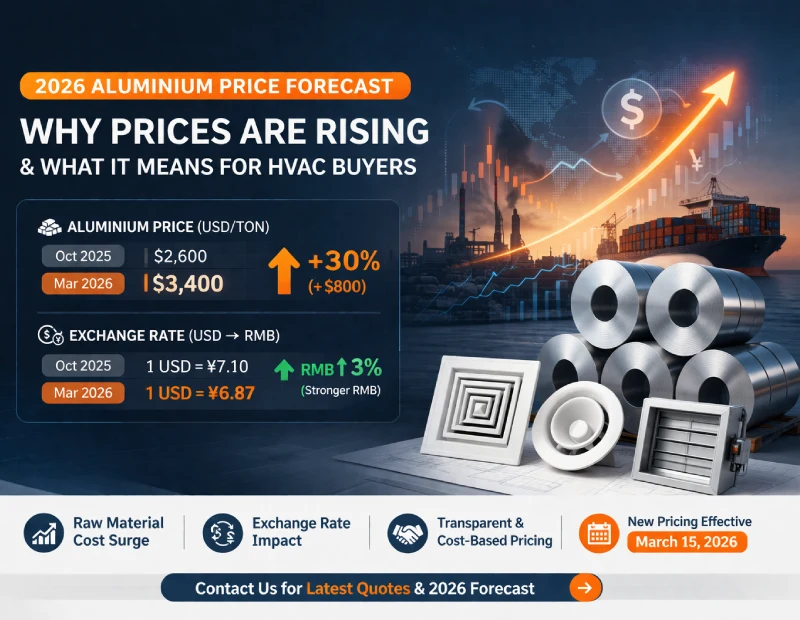
2026 Aluminium Price Forecast: Why Prices Are Rising and What It Means for HVAC Buyers

The aluminium price forecast for 2026 shows a significant upward trend, driven by rising global demand, supply constraints, and currency fluctuations. For HVAC and construction buyers, these changes are directly impacting product costs and sourcing strategies. In this article, we break down the latest aluminium price trends, exchange rate impact, and what buyers should expect moving forward.

Key Takeaway

  • Aluminium prices increased by 30% within 6 months
  • RMB appreciation added additional cost pressure (~3%)
  • Price adjustments are driven by real cost changes, not margin increases
  • Buyers should expect continued pricing volatility in 2026

Aluminium Price Trend (2025–2026): What the 2026 Forecast Tells Us

Over the past six months, aluminium prices have increased sharply:
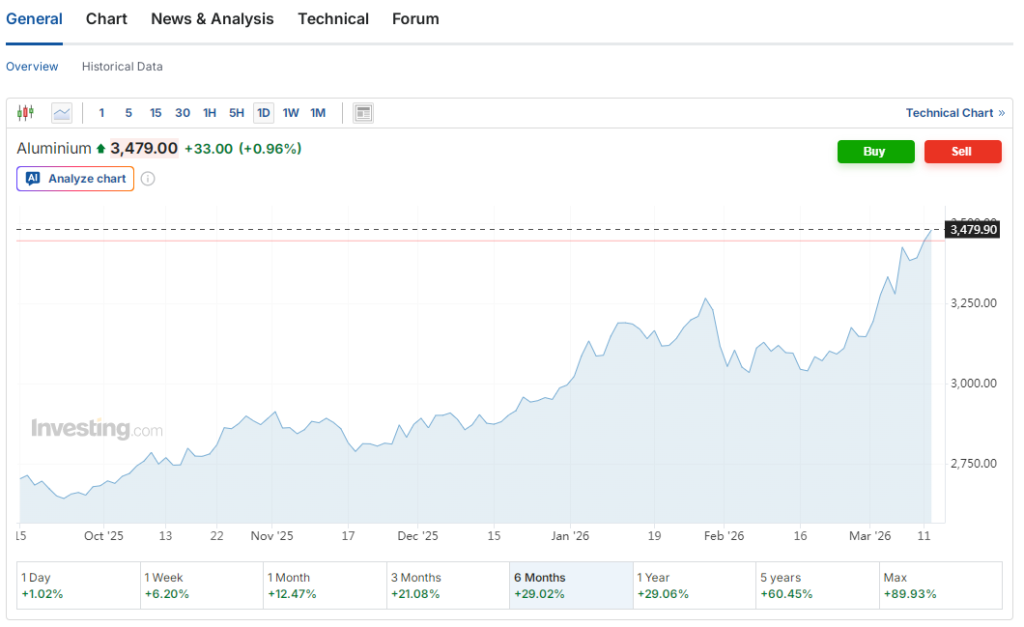
  • October 2025: USD 2,600 / metric ton
  • March 2026: USD 3,400 / metric ton
  • Increase: +USD 800 / ton (+30%)
Aluminium prices increased by 30% within 6 months

This level of increase has a direct impact on manufacturing costs, especially for our aluminium-based products such as aluminum air grilles, aluminum flexible ducts, Aluminum Insulation Dome Caps, Anti-Vibration Rubber Fix it Foot ect.

Exchange Rate Impact on Chinese Export Pricing (USD to RMB)

In addition to raw material costs, exchange rate movements are adding further pressure.
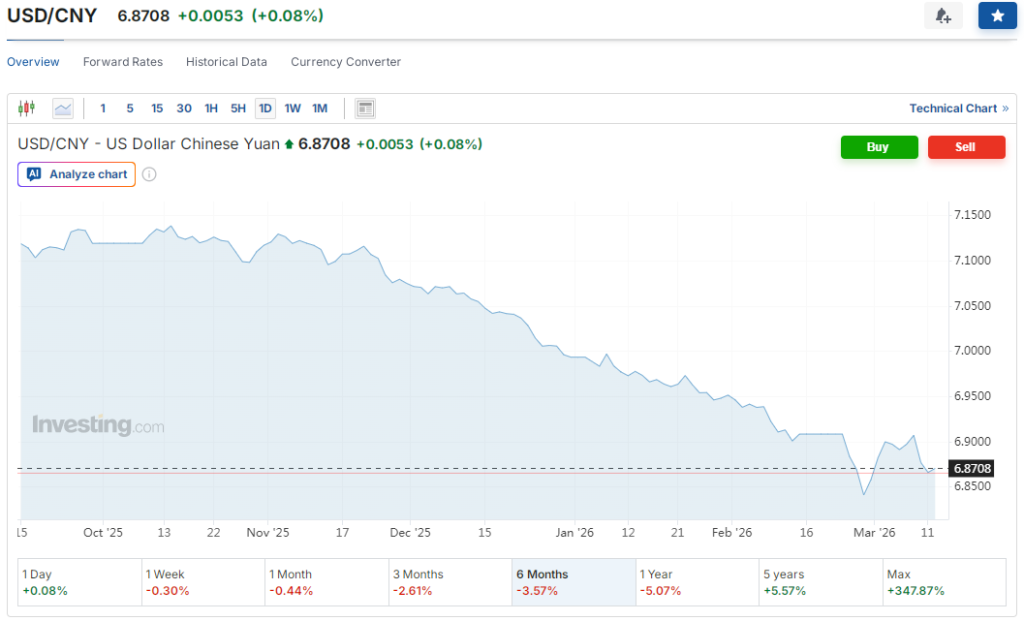
  • October 2025: 1 USD ≈ 7.10 RMB
  • March 2026: 1 USD ≈ 6.87 RMB
  • Change: RMB appreciated by approximately 3%
RMB appreciation added additional cost pressure (~3%)

Why This Matters

Most manufacturers in China operate with:

  • Costs in RMB
  • Sales in USD

When RMB strengthens, exporters receive less RMB for the same USD payment, reducing overall revenue in local currency terms.

Why Aluminium Price Increases Lead to Price Adjustments

When these factors combine:

  • Raw material cost increase (+30%)
  • Currency impact (~3%)

Manufacturers face significant cost pressure, making price adjustments necessary to maintain sustainable production.

Our Pricing Strategy: Cost-Based and Transparent

To support long-term partnerships, our pricing adjustments follow clear principles:

  • Based only on aluminium cost increases and exchange rate changes
  • No additional profit margin included
  • Internal cost increases such as labor and operations are not factored in

This ensures pricing remains fair, transparent, and aligned with actual market conditions.

Effective Date of New Pricing

  • Effective from: March 15, 2026
  • Orders confirmed before this date: No price changes
  • New orders after this date: Subject to updated quotations

We recommend contacting us in advance for the latest pricing when planning new orders.

What Buyers Should Do in 2026

To manage risks in a volatile market environment, buyers are advised to:

  • Plan orders earlier
  • Request updated quotations regularly
  • Monitor raw material trends
  • Work with transparent and reliable suppliers

FAQ: Aluminium Prices and Supplier Price Adjustments (2026)

Below are some of the most frequently asked questions from HVAC buyers regarding aluminium price changes in 2026.

1, Why are aluminium prices increasing in 2026?

Aluminium prices are rising due to increased global demand, higher energy costs, and supply chain constraints. These factors have contributed to a price increase of around 30% within six months.

2, How do aluminium prices affect HVAC product costs?

Aluminium is a key raw material in many HVAC products. When its price increases, manufacturing costs rise accordingly, leading to necessary price adjustments.

3, Why does exchange rate impact supplier pricing?

Chinese manufacturers typically pay costs in RMB while receiving payments in USD. When RMB appreciates, the value of USD income decreases after conversion, reducing actual revenue.

4, Are suppliers adding extra profit during price increases?

Not always. Transparent suppliers adjust prices based only on actual cost increases and do not include additional profit margins. In many cases, they also absorb internal cost increases.

5, Will aluminium prices continue to rise in 2026?

Market conditions suggest continued volatility, with potential upward pressure depending on supply, demand, and energy costs.

6, How can buyers reduce the impact of price increases?

Buyers can reduce risk by:
– Placing orders earlier
– Locking in prices when possible
– Working with stable suppliers
– Monitoring market trends

Conclusion

The rise in aluminium prices in 2026 highlights the impact of global market dynamics on manufacturing and supply chains.

In this environment, transparency and cost-based pricing are essential for building long-term, reliable partnerships.

Let’s Plan Ahead Together

With aluminium prices continuing to fluctuate, having up-to-date cost visibility is becoming essential for accurate project planning.

If you’re currently reviewing suppliers or budgeting for upcoming projects, we can support you with:

  • Latest pricing based on current aluminium costs
  • Alternative options to optimize your cost structure
  • Short-term market insights to support your decisions

Feel free to reach out for a quick update — even if you just want to compare your current supplier pricing with the latest market level.

In practice

Aluminium moves for two reasons that pull in opposite directions: the energy and the smelter economics that set the ingot price, and the delivery flows that decide whether the price you are quoted today is the price you will actually get. An importer feels the second one first. A quotation that is valid today and a shipment that arrives in six weeks are two different price points, and only one of them was the point at which the decision was made.

The practical answer is to stop treating the goods price and the metal price as one question. Confirm a quotation validity window at the order stage, hold the specification rather than chasing the cheapest coil week, and keep the item codes that you reorder most on a standing schedule. That is worth more than trying to time the market, because nobody can.

Common questions

Does a movement in the aluminium price change the price of a duct fitting?
Yes, but with a lag and a damping factor. The coil price moves the cost of the blank first, and the pressed or cut piece follows on the next quotation, which is why we hold a quotation validity window rather than quoting open-ended.
How should I time a large order?
By confirming the quotation window with us rather than by guessing the market. If you have a fixed project date, it is better to fix the goods price and accept the schedule than to wait on a market you cannot predict.
Can the price be protected for a long project?
On a scheduled project we can agree a quotation validity period so the goods price does not move against you between order and shipment. Ask for it when the order is confirmed rather than after the material has been bought.

Working on a specification and need a part to match it? Let's Talk!
Need Help?